

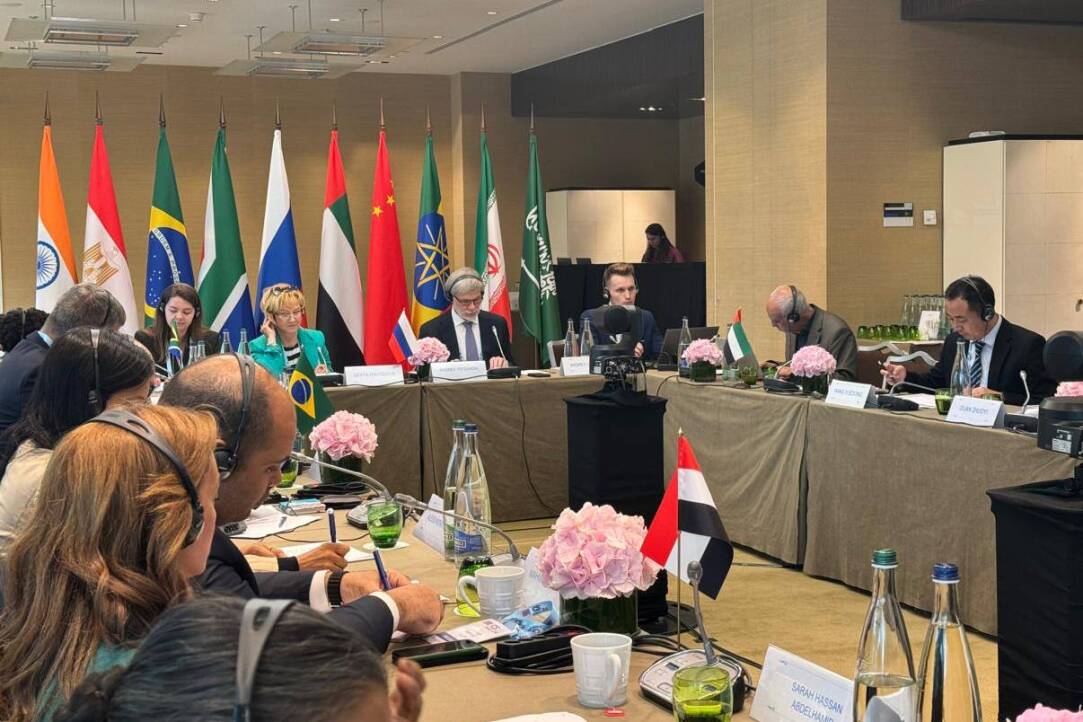
BRICS Countries Support HSE University’s Project to Launch Fair Competition Platform
A meeting of the BRICS Coordination Committee on Antimonopoly Policy was held in Geneva as part of Russia's BRICS Chairship in 2024. The meeting participants supported a project to launch a BRICS Interstate Platform on Fair Competition, developed by the International BRICS Competition Law and Policy Centre of HSE University and presented by the FAS of Russia as an initiative of the Russian Chairship.
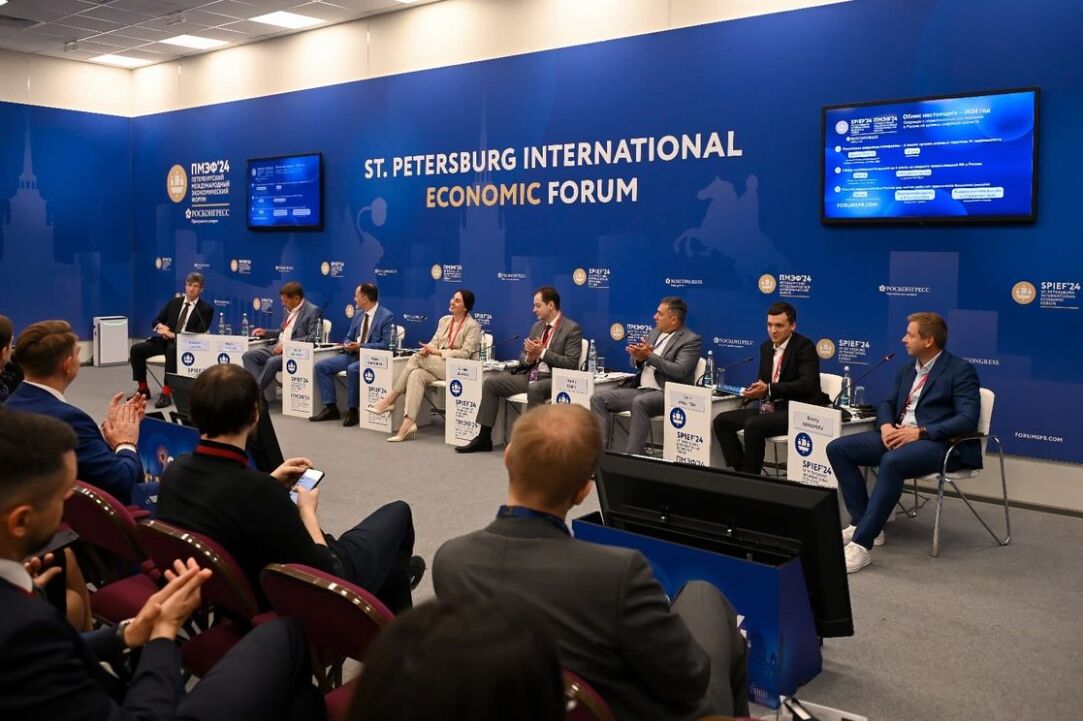
'We Are Open to Cooperation on an Equal Basis and Will Find a Path to a Better Future'
How are digital platforms contributing to sustainable development? How is international cooperation progressing in Eurasia? How should the Russia-India business dialogue proceed? HSE University's scientists presented their answers during expert discussions at the St Petersburg International Economic Forum.
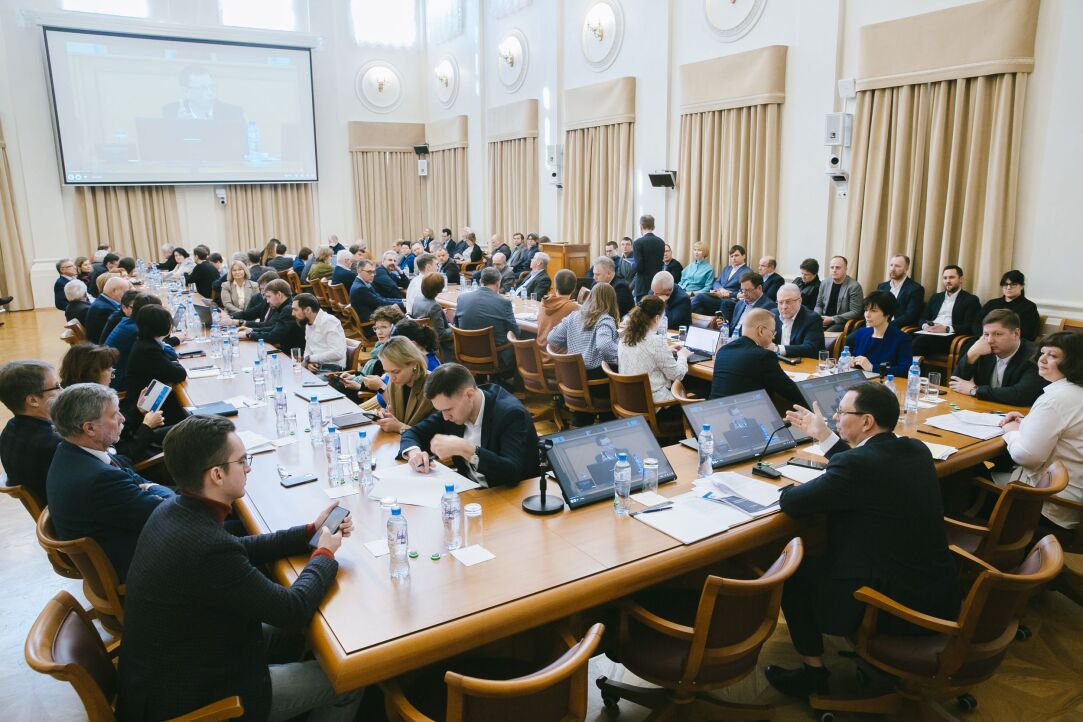
Newly-Elected HSE Academic Council Examines National Technological Priorities
On March 27, 2024 the first meeting of the newly-elected HSE Academic Council was held. The meeting approved the list and composition of commissions responsible for the preliminary consideration of issues prior to their inclusion in the Council’s agenda. The attendees also discussed Russia's technological priorities and outlined ways for university staff members to participate in addressing technological development challenges.
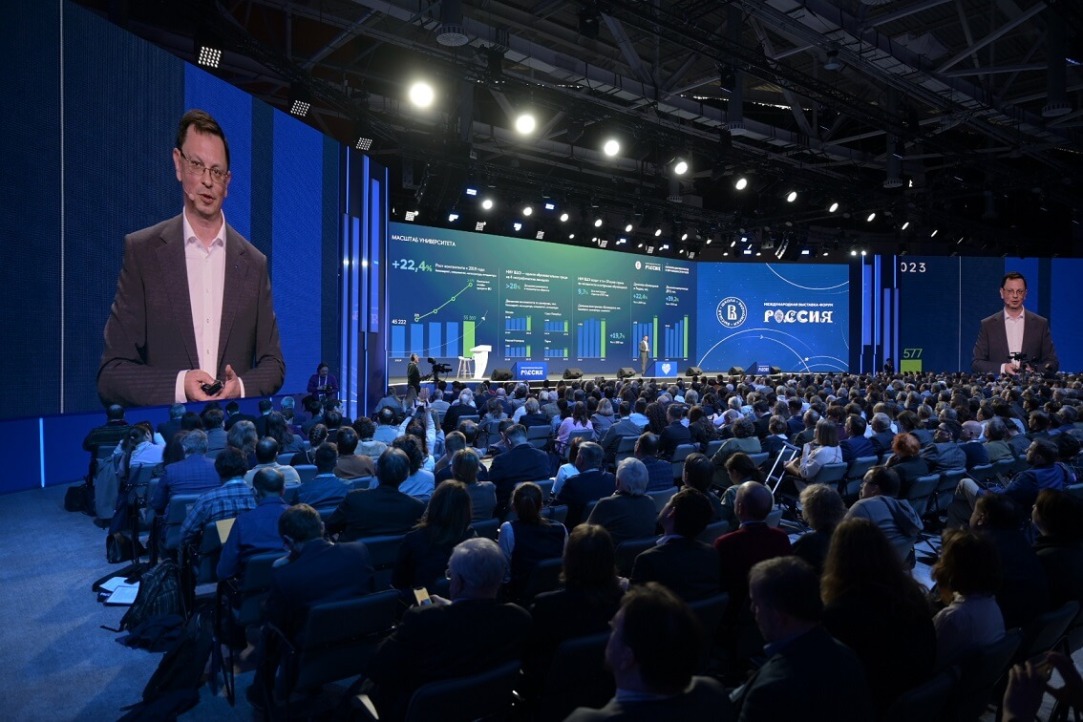
‘HSE Has What It Takes to Work Together and Achieve Great Things for Our Country’
At the HSE Staff and Student Conference, which took place at the Russia Expo on March 19, 2024, HSE Rector Nikita Anisimov presented an overview of the university's key achievements from 2019 to 2023.
Open Doors Day-2020
According to tradition, in mid-April, the HSE ISSEK Master's programme “Governance of Science, Technology, and Innovation” holds an Open Doors Day. In conditions of social isolation, the meeting of potential applicants and programme representatives was first held in an online format — like “Open Windows Day”.
Leonid Gokhberg: ‘Almost Every Fifth High-Tech Russian Company Uses Additive Technologies’
Additive technologies including 3D-printing are growing faster than 75% of other relevant digital technology areas, noted Leonid Gokhberg, HSE First Vice-Rector and ISSEK Director, at the forum ‘Additive Technologies, Growing Horizons’ hosted by the Skolkovo Institute of Science and Technology (Skoltech) on 3 December 2019.
The SPIEF Trail: a Triad of Partnership Agreements
During the St. Petersburg International Economic Forum the Higher School of Economics signed cooperation agreements with a number of organisations. ISSEK staff — members of the S&T Foresight Centre and the Competence Centre for Cooperation with International Organisations actively participated in completing the groundwork for three of them: with the Eurasian Economic Commission (EEC), the Eurasian Development Bank (EDB), and the Rosselkhozbank.
Workshop Explores the Challenges and Opportunities of International Research and Innovation Partnerships
On May 17–18, 2018, HSE Moscow held an international workshop entitled ‘Transnational research and innovation partnerships. Designing international co-operation projects to deliver on economic competitiveness and the grand challenges’.
"Research and innovation must be the driving force of our future relationship"
On December 18, Bruno Le Maire, French Minister for the Economy and Finance, delivered an open lecture at HSE. In his speech, the Minister discussed the prospects for cooperation in the field of science, technology and innovation between Russia and France.The video of the open lecture of the minister and the full version of the theses of his speech are available on HSE web portal. Here are the extracts from this article.
How Science is Managed in Russia
The HSE Institute for Statistical Studies and Economics of Knowledge conducted a study of best management practices in the science and technology area. The results, and a proposal to set up an online platform for monitoring such practices, were presented at a round table discussion hosted by HSE.